

Comparatif
Alienware 16 Area-51 vs Lenovo Yoga Pro 7 14ASP9
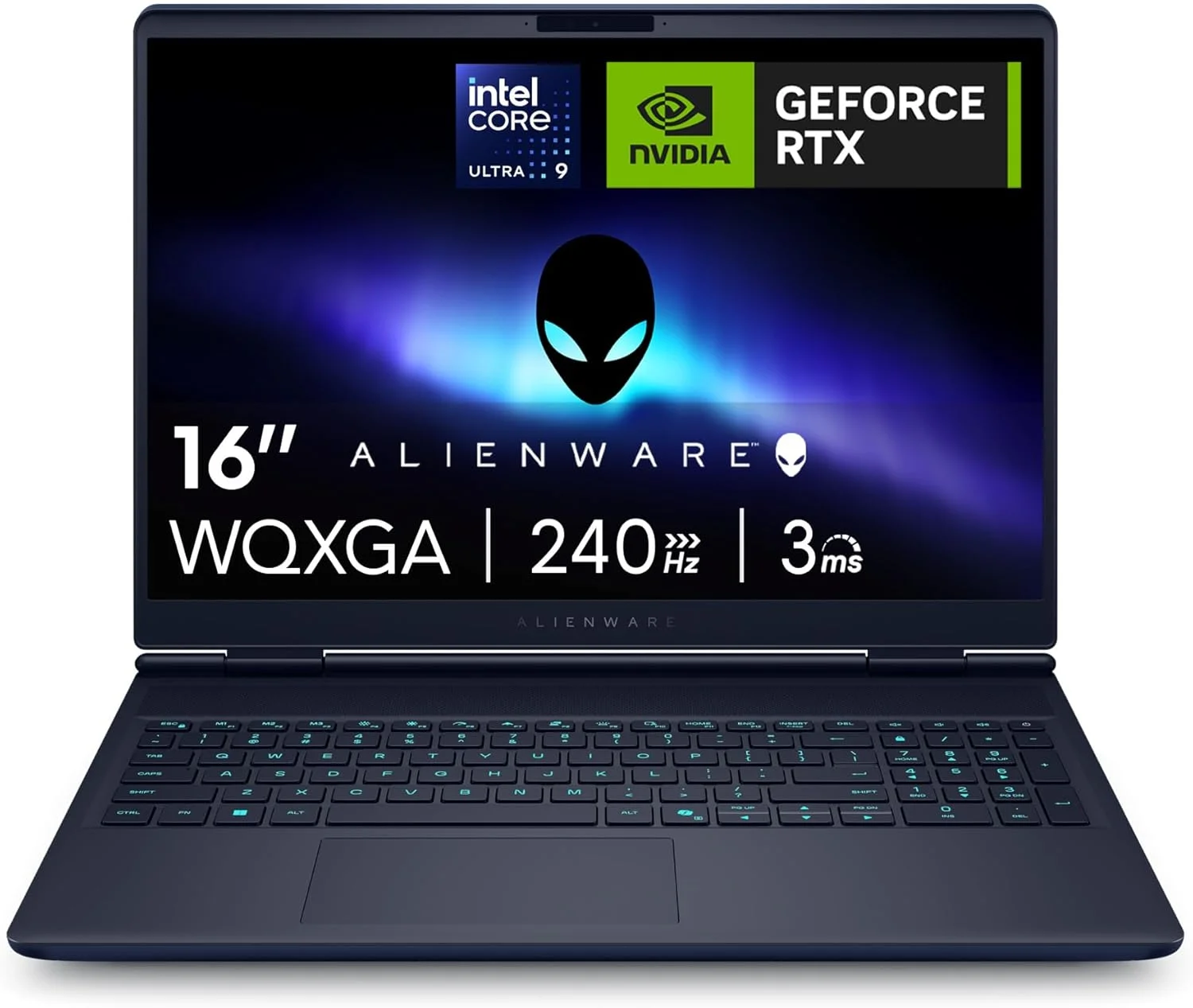
Alienware (Dell)
Alienware 16 Area-51
7,6/10
2 509 €
- +GPU jusqu'à RTX 5090 à pleine puissance (175 W sans bridage)
- +Écran OLED 240 Hz, 120 % DCI-P3, 620 nits HDR (en option)
- +Trois emplacements M.2 extensibles jusqu'à 12 To
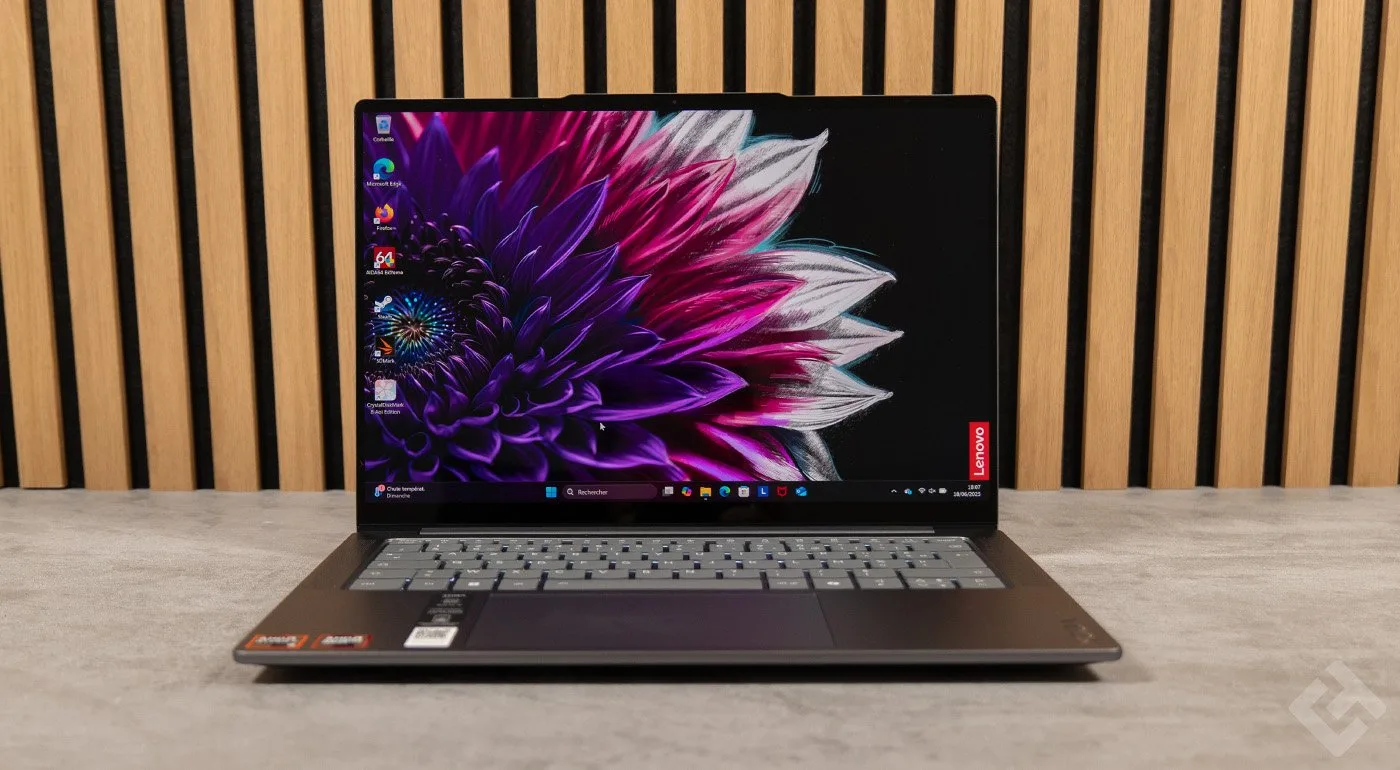
Lenovo
Lenovo Yoga Pro 7 14ASP9
8,0/10
- +Superbe dalle OLED
- +Design soigné et travaillé
- +Processeur efficient
Notre verdict
Lenovo Yoga Pro 7 14ASP9 l'emporte au général : 8,0/10 contre 7,6/10 dans nos tests.
Alienware 16 Area-51Sous-noteLenovo Yoga Pro 7 14ASP9
5,5/10
Autonomie
avantage Lenovo Yoga Pro 7 14ASP9
8,0/10
9,5/10
Écran
avantage Alienware 16 Area-51
8,0/10
8,5/10
Performances
avantage Alienware 16 Area-51
8,0/10
Choisissez Alienware 16 Area-51
si vous privilégiez : écran, performances. Voir notre test.
Choisissez Lenovo Yoga Pro 7 14ASP9
si vous privilégiez : autonomie. Voir notre test.
Sous-notes attribuées dans chacun de nos tests, après plusieurs semaines d'utilisation. Écart de moins de 0,25 point : égalité.
Caractéristiques
| Spécifications | Alienware 16 Area-51 | Lenovo Yoga Pro 7 14ASP9 |
|---|---|---|
| Taille d'écran★ | — | 14,5 pouces |
| Définition★ | — | 2880 x 1800 pixels |
| Rafraîchissement | — | 120 Hz |
| Processeur★ | — | AMD Ryzen AI 9 365 |
| Carte graphique★ | — | AMD Radeon 880M |
| RAM★ | — | 32 Go |
| Stockage SSD★ | — | 1 000 Go |
| Type de stockage | — | SSD NVMe |
| Autonomie★ | — | 11 h |
| Poids★ | — | 1,5 kg |
| Système★ | — | Windows |
| Ports USB-C | — | 2 USB-C / Thunderbolt 4 |
| Ports HDMI | — | 1 HDMI |
| Ports Thunderbolt | — | ✓ |
| Clavier rétroéclairé | — | ✓ |
| Définition webcam | — | 1920 x 1080 pixels |
Spec importante · En vert, la meilleure valeur (plus légère ou plus silencieuse quand c'est ce qui compte).